The Spotted Lanternfly (Lycorma delicatula) is one of the most concerning invasive insects to arrive in the Midwest in recent years. Native to China, Vietnam, and India, this colorful pest was first detected in Pennsylvania in 2014 and has been spreading steadily westward ever since. Illinois is now considered at serious risk, and property owners across the Rockford area should know what to watch for.
What Is the Spotted Lanternfly?
The Spotted Lanternfly is a planthopper, not a true fly. Adults are approximately 1 inch long with distinctive wings — gray with black spots on the outer wings and bright red on the inner hindwings. Egg masses look like gray, waxy patches on tree bark and can be deposited on almost any smooth surface, including vehicles, furniture, and outdoor equipment.
Host Trees and Plants at Risk
Spotted Lanternfly feeds on a wide range of plants by piercing stems and sucking out sap. While they prefer Tree of Heaven (Ailanthus altissima) — an invasive species itself — they also attack economically important trees and crops, including:
- Maple
- Willow
- Birch
- Poplar
- Walnut
- Apple and other fruit trees
- Grapevine
Severe infestations weaken trees and vines, reduce photosynthesis, and create large amounts of sticky honeydew — a sugary excretion that promotes the growth of black sooty mold on leaves and surfaces below.
Current Status in Illinois
As of 2024, Spotted Lanternfly has not been confirmed in Winnebago County, but detections have occurred in northeastern Illinois counties near Chicago. The Illinois Department of Agriculture is actively monitoring and has implemented reporting protocols. Given the pest's rapid spread and proximity to the Stateline area, awareness and early detection are essential.
What to Do If You Spot One
If you see a Spotted Lanternfly or an egg mass that matches the description above:
- Take a photo if you can do so safely.
- Report it immediately to the Illinois Department of Agriculture via their online reporting portal or by calling their hotline.
- Do not move any outdoor furniture, vehicles, or equipment that may harbor egg masses without inspecting them first.
Management Options
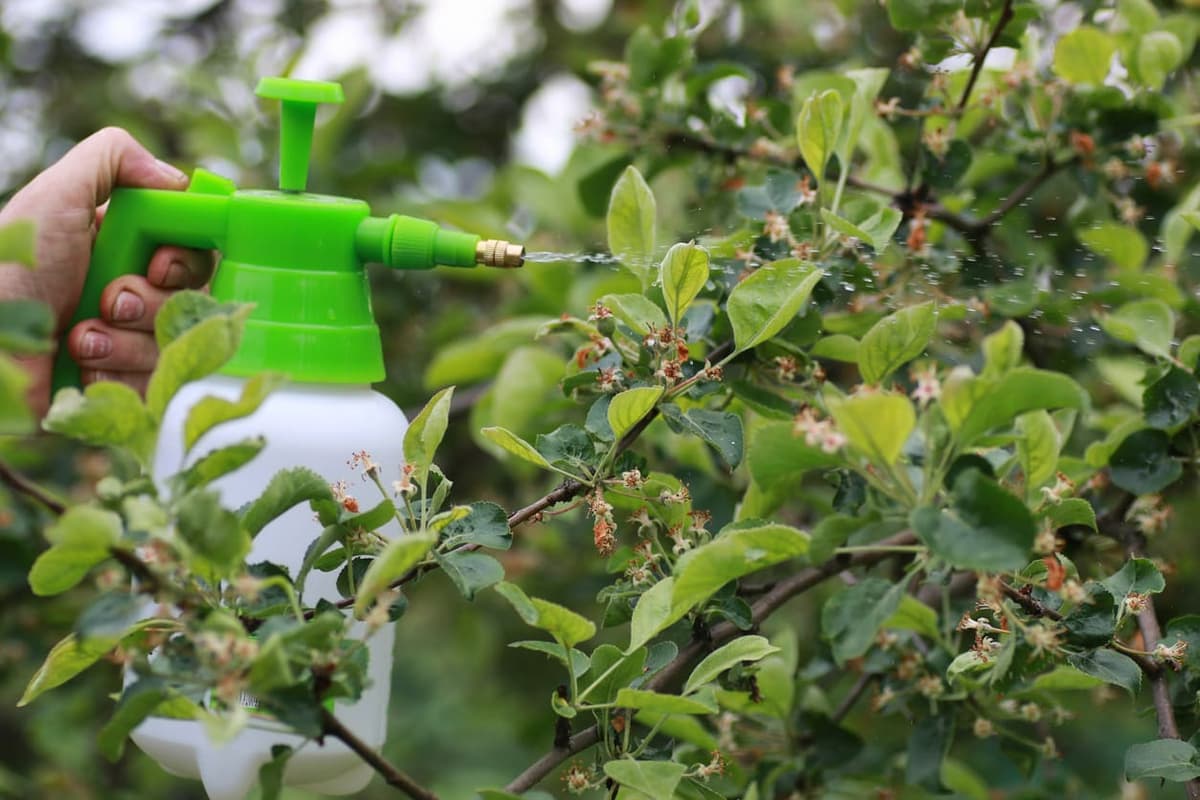
If Spotted Lanternfly becomes established in your area, treatment options include targeted insecticide applications and the removal of nearby Tree of Heaven populations, which reduce local habitat and food sources. Early intervention is far more effective than reactive treatment after populations have become established.
If you suspect Spotted Lanternfly activity on your property, our certified arborists can assess the situation, confirm identification, and discuss treatment options appropriate for your landscape. Call (815) 965-5757.
The best defense against any invasive pest is early detection and a rapid, informed response. Tree Care Enterprises is actively monitoring the spread of Spotted Lanternfly in Northern Illinois and Southern Wisconsin and is ready to help protect your trees and landscape.