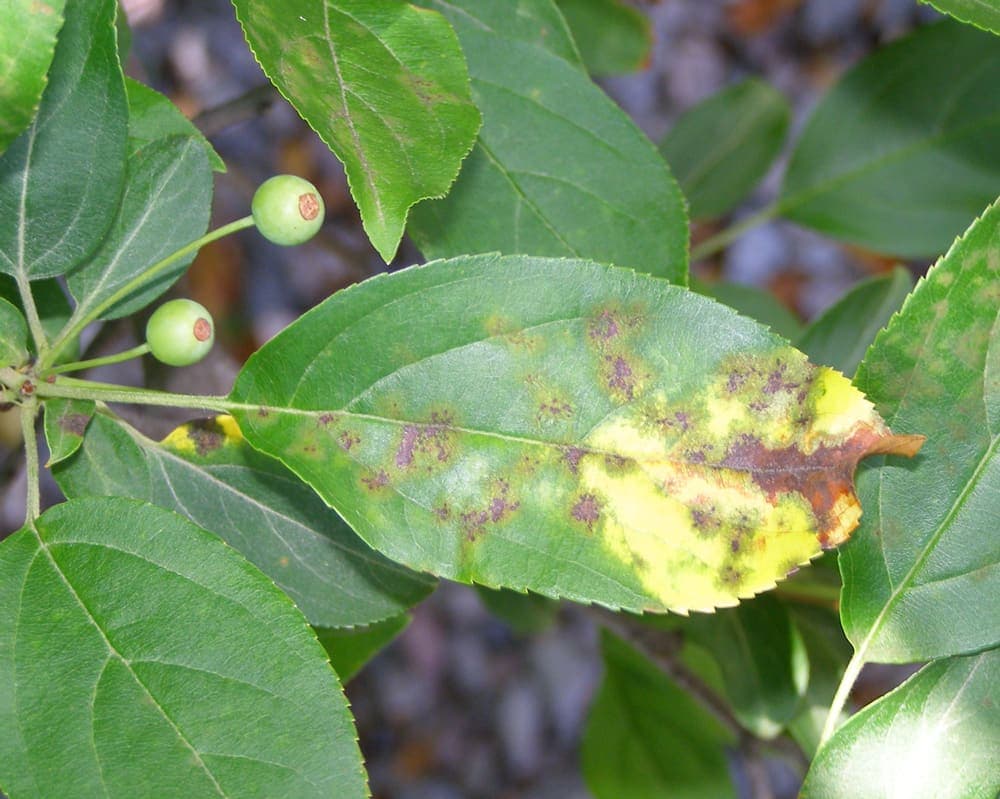
If the ornamental crabapple in your yard loses its leaves every summer — or the leaves are covered in dark, irregular spots — there's a good chance it has Apple Scab. This common fungal disease affects ornamental crabapples and fruiting apple trees throughout Northern Illinois, and can cause severe leaf drop and aesthetic decline year after year if left untreated.
What Is Apple Scab?
Apple Scab (Venturia inaequalis) is a fungal disease that overwinters in fallen infected leaves on the ground. In early spring, as temperatures warm and rainfall increases, the fungus releases spores that are carried by wind and rain to developing leaves, blossoms, and young fruit. The critical first infections of the season typically occur when buds are just beginning to swell and open — long before most homeowners notice anything is wrong.
Symptoms to Watch For
Apple Scab appears in distinct stages as the season progresses:
Early spring symptoms:
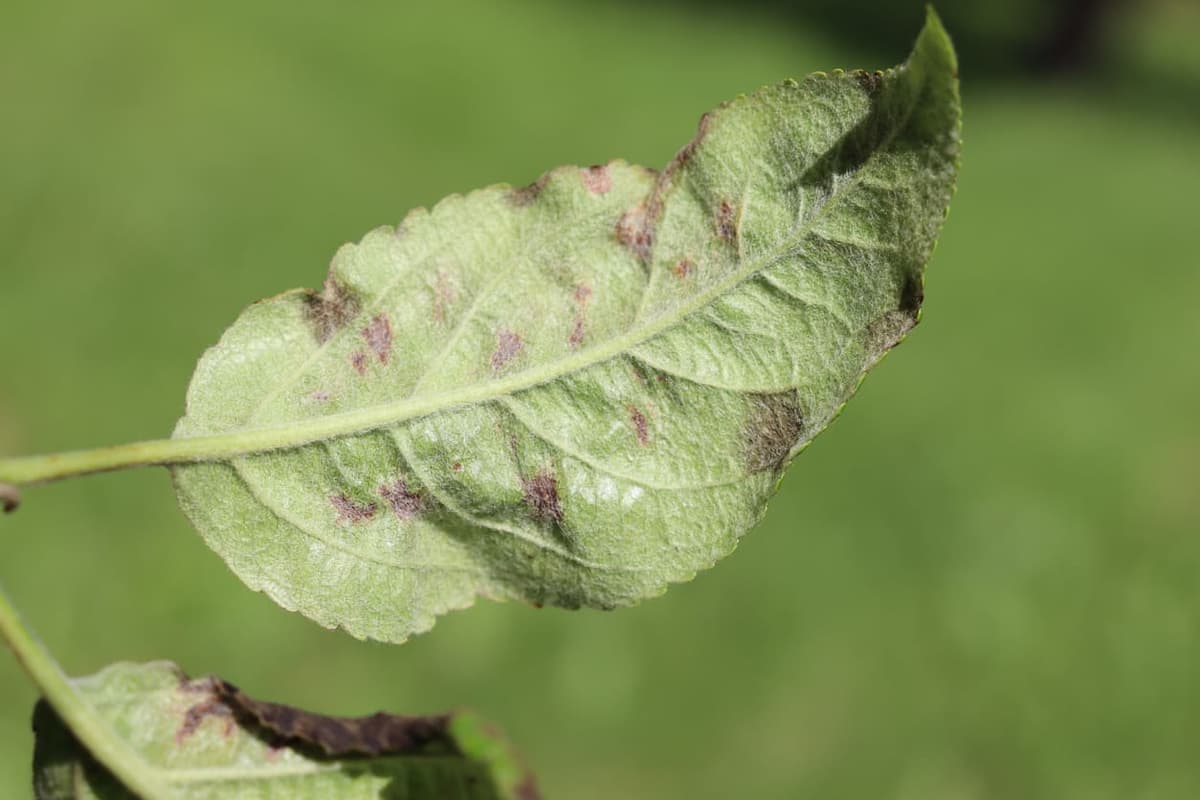
- Small, olive-green to yellowish spots on the upper surface of leaves
- Spots that enlarge and darken to become more or less circular with a velvety surface texture
- Young leaves that curl and become distorted as infections spread
Summer symptoms (as infections accumulate):
- Leaves heavily covered in dark, circular lesions
- Premature and severe leaf drop, often starting as early as June or July
- By midsummer, severely infected trees may be almost completely defoliated
- On fruiting varieties, rough, scabby lesions and cracking on fruit surfaces
One bad season rarely kills a tree, but repeated annual defoliation significantly weakens it — reducing vigor, increasing susceptibility to winter injury and secondary pests, and eliminating the spring flower display that makes crabapples so prized as landscape trees.
Treatment and Management
Fungicide applications: The most effective approach is a series of protective fungicide sprays timed to the disease's infection cycles in spring. Treatment typically begins at or just before bud break and continues through the rapid growth period (usually 3–5 applications, depending on weather and infection pressure in a given year). Early treatment is essential — once lesions are visible, the current season's infection has already occurred and fungicide applications are less effective at controlling existing spots.
Leaf cleanup: Raking and disposing of infected fallen leaves in autumn breaks the disease cycle by removing the primary source of spores for the following year's infections. This is one of the simplest and most cost-effective management steps a homeowner can take.
Resistant variety selection: If you're replacing a crabapple that suffers from Apple Scab every year, modern scab-resistant cultivars are available and represent a significant improvement. Many newer crabapple varieties have been bred specifically for resistance to scab, fire blight, and other common diseases. Our arborists can recommend varieties suited to the Rockford, IL area climate.
Why Timing Matters
Apple Scab management is heavily dependent on timing. The fungus infects during specific wet, cool windows in spring when both spores and susceptible new tissue are present simultaneously. Our arborists understand Northern Illinois weather patterns and the disease cycle of local crabapple populations — which allows us to time treatments precisely for maximum effectiveness.
Schedule a Crabapple Evaluation
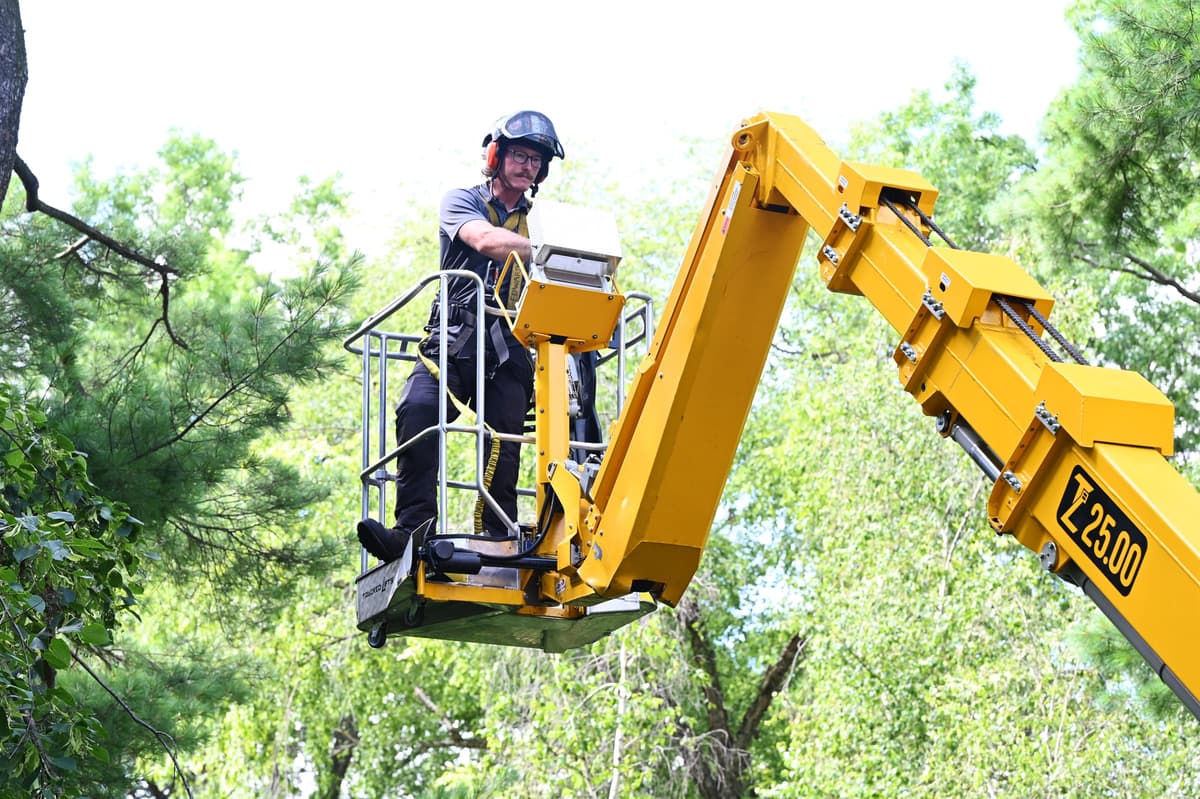
Tree Care Enterprises' certified arborists can inspect your ornamental trees, confirm a diagnosis, and develop a treatment program timed to your specific trees and local conditions. We serve homeowners and property managers throughout Rockford, Machesney Park, Loves Park, Belvidere, and surrounding communities.
Call us at (815) 965-5757 for a consultation.