If the magnolia in your landscape has developed a cottony white crust along its branches, or if you've noticed sticky leaves and sooty mold on nearby plants, there's a good chance your tree has Magnolia Scale. This is the largest soft scale insect found in the United States, and it can cause significant decline in untreated trees over multiple growing seasons.
What Is Magnolia Scale?
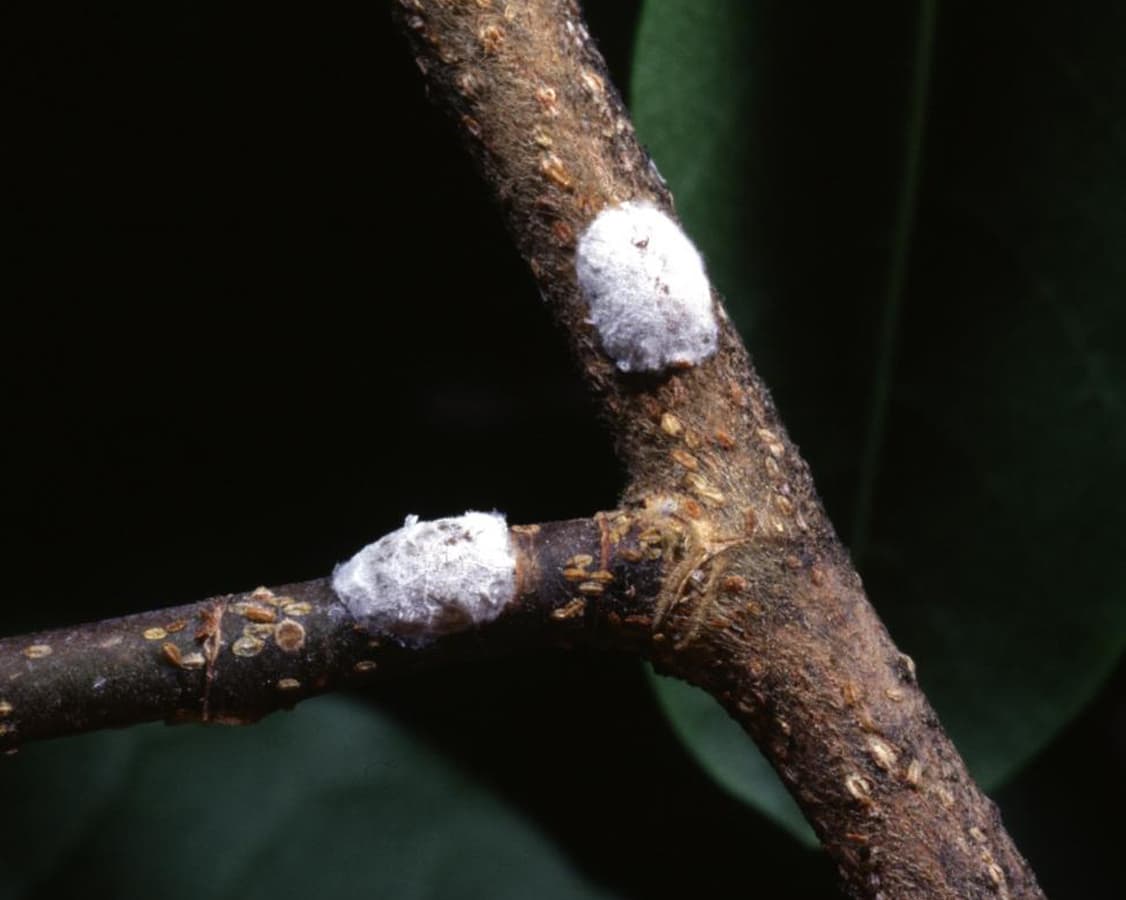
Magnolia Scale (Neolecanium cornuparvum) is a sap-sucking insect that attaches itself to the branches of magnolia trees. Immature crawlers emerge in late summer and overwinter on twigs as nymphs. By the following summer, they have matured into large, round, white- or pink-coated females that can reach nearly half an inch in diameter — making them visible to the naked eye on affected branches.
Trees Affected
Magnolia Scale primarily attacks magnolias — including star magnolias, saucer magnolias, and lily magnolias. In the Rockford area, magnolias are popular landscape trees for their showy spring blooms and attractive form, which makes protecting them from this pest especially worthwhile.
Signs of Infestation
Look for these indicators on your magnolia:
- White, waxy or powdery coating on branches, particularly on younger growth
- Sticky, shiny substance (honeydew) coating leaves and surfaces below the tree
- Black sooty mold growing on the honeydew deposits
- Ants trailing up and down the trunk (attracted to the honeydew)
- Yellowing, wilting, or premature drop of leaves
- General decline in tree vigor, especially after multiple years of infestation
Treatment Options
Effective control requires timing treatments to the pest's life cycle. The most vulnerable stage — and therefore the best window for treatment — is the crawler stage, which typically occurs in late July through early September in Northern Illinois.
Horticultural oil: Applying dormant oil in late fall or early spring can help control overwintering nymphs on twigs. This approach is most effective as part of a multi-season program.
Systemic insecticides: Soil-applied or trunk-injected systemic treatments are often the most effective option for established infestations. These products are absorbed by the tree and ingested by scale insects feeding on the vascular system. Timing and product selection should be managed by a certified arborist to protect beneficial insects.
Crawler-stage sprays: Contact insecticide applications timed to the crawler emergence window in late summer can significantly reduce the overwintering nymph population.
Long-Term Management
Annual monitoring and annual inspection by a certified arborist reduces your magnolia's vulnerability to scale and other opportunistic pests. A healthy, well-maintained magnolia is far more resilient than a stressed one.
Tree Care Enterprises offers professional scale diagnosis and treatment for magnolias and other ornamental trees throughout Rockford, Machesney Park, Loves Park, and surrounding Northern Illinois communities. Call (815) 965-5757 to schedule your tree health inspection.