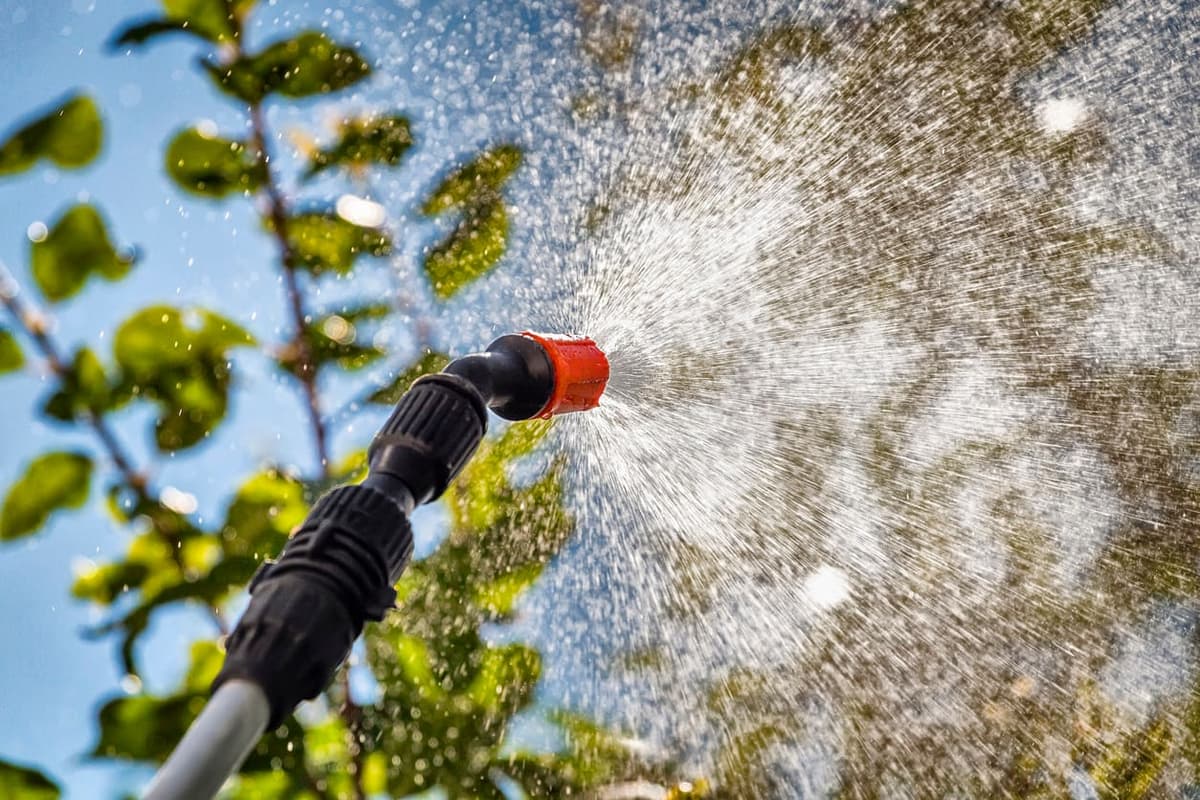
In a forest, fallen leaves return nutrients to the soil. In a yard, those leaves often leave in bags. That changes what reaches the roots, but it does not mean every tree needs fertilizer. Start by checking the soil and the tree's condition.
Why Urban Trees Need Fertilization
In natural forests, decomposing leaves and branches return nutrients to soil continuously. In residential yards, homeowners remove this organic matter, leaving trees in nutrient-depleted soil and forcing them to compete with lawns for remaining nutrients. Construction further compounds this problem by stripping, compacting, or burying topsoil, leaving trees rooted in compromised soil.
Signs Your Trees May Need Fertilization
Watch for smaller-than-normal leaves, sparse leaf growth, pale or yellowing leaves during growing season (chlorosis), reduced annual twig growth (under 2–4 inches on shade trees), early fall leaf drop, thin or declining canopy over multiple years, and slow recovery after pruning or damage.
What Is Deep Root Fertilization?
This professional method delivers nutrients directly to root zones using specialized probes that inject liquid fertilizer 8–12 inches underground. This approach delivers nutrients where roots absorb them, bypasses turfgrass competition, aerates compacted soil, and provides slow-release nutrition. It's significantly more effective than surface granular application.
When Should You Fertilize Trees in Rockford?
Two optimal windows exist: early spring (March–April) before bud break for immediate nutrient use during new growth, and late fall (October–November) after leaf drop when roots remain active and store nutrients for spring vigor.
What Nutrients Do Trees Need?
Specific nutrient needs depend on soil composition and tree species. Soil testing reveals deficiencies. Northern Illinois soils commonly lack nitrogen (supporting leaf and shoot growth), iron and manganese (correcting chlorosis in alkaline soils), phosphorus (supporting root development), and mycorrhizal inoculants (improving nutrient uptake).
Trees That Benefit Most from Fertilization
Nearly all trees benefit, but especially newly planted trees establishing roots, mature declining trees, trees recovering from stress, high-value specimen trees, and trees in compacted or alkaline soils—common throughout Rockford.
How Tree Care Enterprises Handles Fertilization
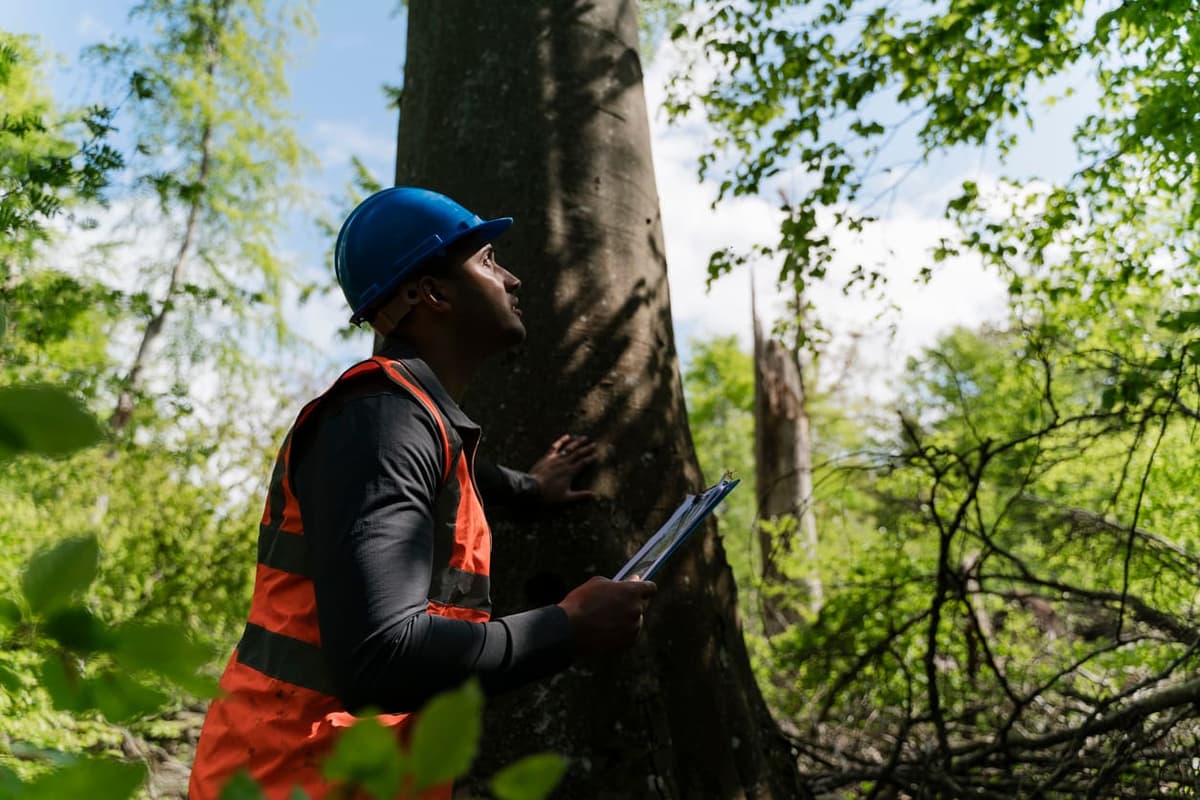
The process begins with certified arborist assessment evaluating tree health, soil conditions, and site factors. If recommended, soil testing precedes customized treatment design. Technicians use professional deep root injection equipment for proper delivery.
Schedule a Tree Fertilization Assessment
Tree Care Enterprises serves Rockford, Machesney Park, Loves Park, Rockton, Cherry Valley, Belvidere, Pecatonica, and surrounding Northern Illinois and Southern Wisconsin communities. Contact (815) 965-5757 for free consultation.
Related Reading: Complete Guide to Tree Trimming & Pruning · What to Expect from a Free Estimate